October 30, 2026
Integrating outdoor environments with residential architecture plays a pivotal role in enhancing a property's overall aesthetic appeal, functional value, and structural character. Outdoor surroundings are never merely decorative additions to a lot; rather, thoughtful landscape design creates a fluid transition between a building and its surrounding natural environment. By emphasizing distinct architectural features, strategic planning enhances perceptions of spatial depth, invites abundant natural light into interior spaces, and elevates the curb appeal of any home. A well-conceived exterior layout frames entryways, softens bold building contours, and highlights structural craftsmanship from every viewing angle.
A cohesive exterior environment unifies building materials, topography, and plant selections into a single artistic expression. When homeowners invest in professional landscape design, they establish a harmonious dialogue between human construction and natural beauty that enriches daily living while protecting property investments. Understanding how natural and built elements interact allows property owners to cultivate spaces that feel balanced, purposeful, and deeply connected to their surroundings.
Understand Architectural Styles and Context
Throughout history, outdoor planning has served as an essential companion to structural design across various architectural movements. Ancient civilizations crafted elaborate gardens that reflected societal ideals and architectural grandeur, while Renaissance builders designed grand estates where outdoor grounds functioned as direct geometric extensions of residential palaces. Modern property owners continue this rich tradition by selecting exterior elements that honor the specific architectural heritage of their residences. Whether a property features contemporary minimalism, classic Victorian details, or rustic craftsman elements, tailored landscape design ensures that every outdoor element reinforces the overarching structural motif.
Exterior spaces also reflect the fundamental purpose of a building by guiding visual attention toward prominent structural features. Prominent pathways, sculpted terraces, and balanced plant compositions lead the eye directly to grand entrances, focal windows, and impressive facades. This symbiotic relationship between built structures and surrounding foliage softens hard exterior boundaries, improves passive climate control through strategic shade, and unites indoor living areas with nature. Careful planning demonstrates how thoughtful landscape design transforms separate outdoor spaces into unified architectural extensions that elevate the total living experience.
Highlight Structural Features With Natural Elements
Natural landforms and natural topographical contours offer unique opportunities to accentuate a home's elevation and geometric proportions. Sloped properties benefit from terraced retaining walls and graded garden beds that prevent soil erosion while adding dynamic visual tiers that complement structural heights. Incorporating water elements, such as linear reflecting pools or cascading stone fountains, further highlights clean building lines and introduces soothing natural sounds to the environment. Strategic sightlines framed by specimen trees naturalize structural edges, balance architectural proportions, and focus visual interest on key building details.
Maximizing scenic views and expansive vistas establishes a captivating connection between residential interiors and the broader landscape. Framing panoramic outlooks through window vistas expands the perceived boundaries of interior rooms, celebrating the natural surroundings. A property's overall worth can rise by 10% to 30% with well-executed outdoor improvements, according to HomeGuide. Recognizing microclimates created by building shadows and heat reflection allows homeowners to choose thriving plant varieties that flourish alongside specific home elevations, maximizing both visual appeal and environmental health.
Extend Indoor Spaces Using Hardscape Elements
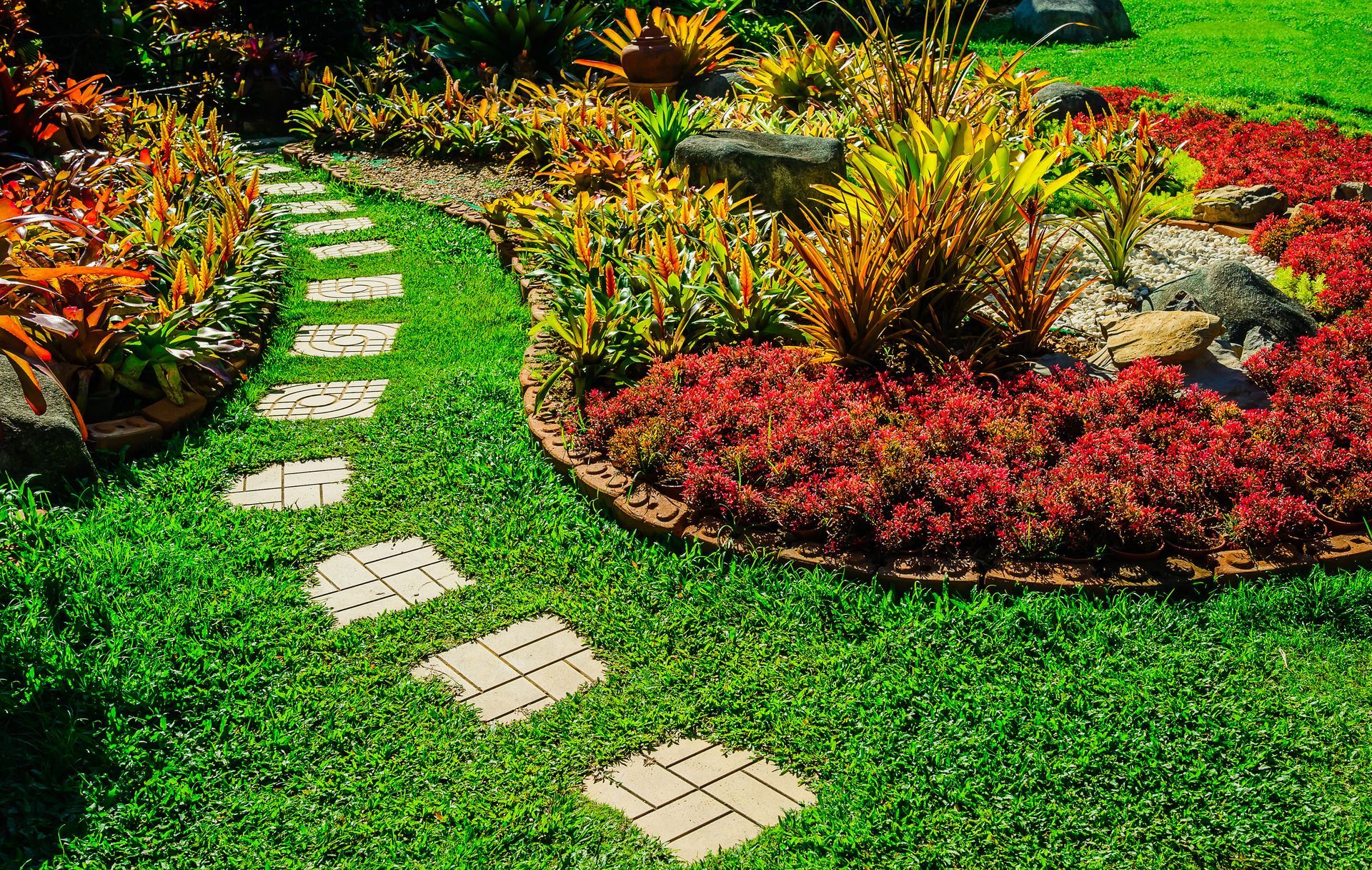
Hardscaping materials act as a physical bridge between interior architecture and exterior grounds. Selecting stone, brick, pavers, or wood finishes that mirror the textures and colors of a home's exterior creates immediate visual continuity between spaces. Outdoor walkways, patios, and courtyard terraces function as functional extensions of interior living rooms, encouraging smooth movement between indoor and outdoor zones. Coordinating hardscape materials with adjoining interior flooring reinforces structural unity across the entire property while expanding usable square footage for relaxation and social gatherings.
Detached structures such as pergolas, arbors, gazebos, and outdoor kitchens must reflect the scale and style of the primary residence. Properly proportioned retaining walls, stone pillars, and paved gathering areas maintain spatial balance without overwhelming the home's primary footprint. Integrated exterior lighting further accentuates architectural textures, illuminates walkways, and highlights focal points after dark. Thoughtful hardscape planning ensures every exterior feature contributes to cohesive landscape design that enhances both nighttime safety and nighttime elegance.
Select Complementary Plants for Design Harmony
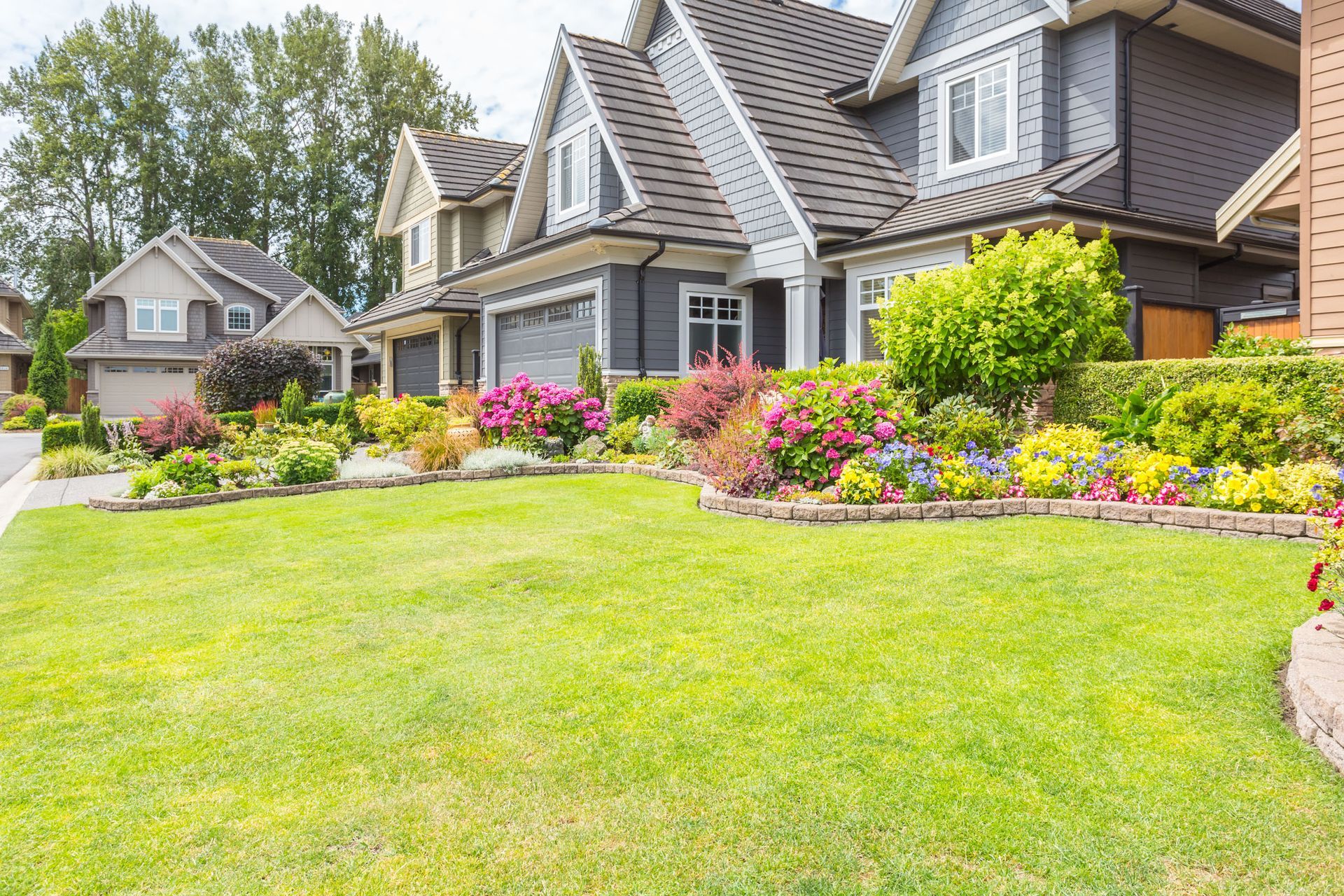
Selecting plant species that correspond with a home's aesthetic framework is vital for achieving spatial balance and structural coherence. Crisp, geometric hedges and minimalist plant groupings accent modern structural lines, whereas lush, informal floral arrangements complement traditional cottage or Victorian residences. Account for seasonal transformations, such as changing autumn foliage or winter silhouette lines, so the surrounding flora remains captivating throughout every season. A balanced color palette in garden beds echoes or thoughtfully contrasts exterior paint colors, stone veneer, brickwork, and natural timber accents.
Varying plant heights and foliage textures add visual depth while framing prominent structural features across the property. Tall canopy trees frame rooflines and tall chimneys, while lower shrubbery softens stone foundations and defines pedestrian pathways. Matching plant choices to specific soil conditions, sunlight exposure, and moisture levels promotes long-term plant health and foliage longevity. Healthy vegetation preserves the intended aesthetic harmony, illustrating how disciplined landscape design enhances architectural beauty while reducing ongoing maintenance demands.
Implement Sustainable Environmental Practices
Integrating eco-friendly practices into outdoor planning strengthens the relationship between residential structures and local ecosystems. Utilizing indigenous plant varieties reduces irrigation requirements, supports native pollinators, and ensures long-term environmental balance around the home. Smart irrigation technology, rainwater catchment systems, and permeable paving materials conserve vital natural resources while mitigating stormwater runoff around home foundations. Sustainable choices safeguard structural integrity while promoting eco-friendly residential living that aligns with modern conservation principles.
Sustainable hardscaping solutions, including recycled stone and repurposed timber, offer exceptional durability while minimizing ecological footprints. Green building elements, such as living plant walls or vegetated roofs, enhance thermal insulation and reduce home energy consumption across changing seasons. Automated environmental management tools allow homeowners to monitor soil moisture and schedule exterior lighting efficiently. Integrating green methods into professional landscape design yields beautiful, sustainable outdoor environments that respect both nature and architecture.
Cultivate Community Connections and Local Character
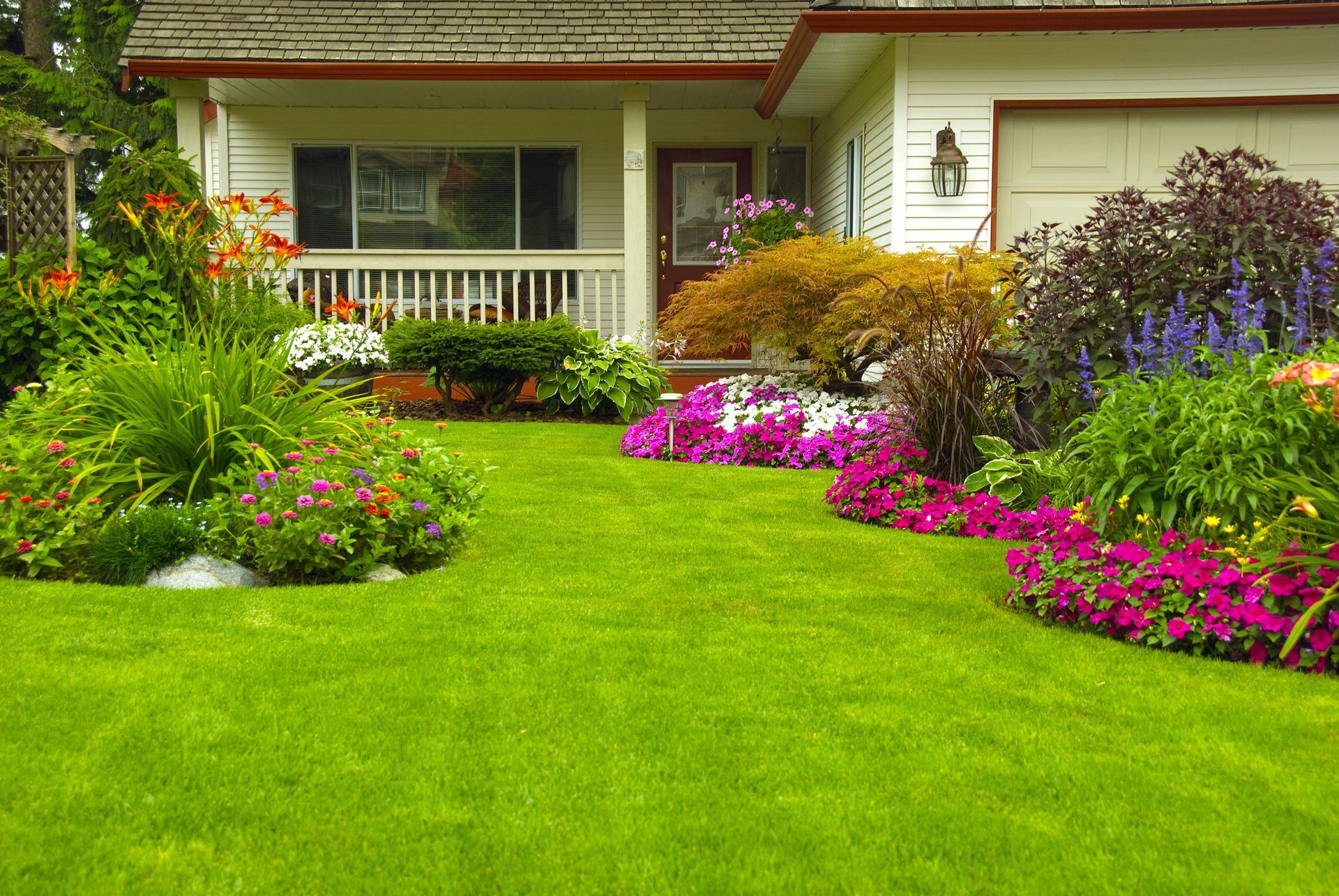
Creating a distinctive sense of place involves designing exterior spaces that encourage social gathering, accessibility, and community interaction. Welcoming entrance paths, open front lawns, and accessible stone walkways foster inclusive outdoor environments that connect residences with neighboring surroundings. Incorporating subtle historic motifs or regional garden traditions honors local heritage while adapting classical concepts for modern residential functionality. These thoughtful spatial layouts establish an inviting atmosphere that blends private home life with the surrounding neighborhood community.
Cultural landscape influences and regional architectural traditions enrich the narrative of a private residence. Blending regional stone, indigenous flora, and personal stylistic choices allows homeowners to craft unique outdoor retreats that express individual creativity. Tailoring outdoor spaces to reflect personal lifestyle preferences ensures that exterior grounds remain practical, beautiful, and deeply meaningful over time. Harmonizing personal expression with architectural context creates timeless residential environments that inspire pride of ownership.
The thoughtful integration of outdoor elements with structural architecture transforms ordinary residential properties into extraordinary living environments. By unifying architectural styles, hardscape materials, natural contours, and vibrant plantings, homeowners create cohesive outdoor spaces that elevate daily living and highlight structural craftsmanship. A well-planned property seamlessly merges indoor comforts with outdoor beauty, creating an enduring environment that enhances property value and everyday enjoyment.
Investing in professional planning ensures that every exterior detail enhances structural elegance, natural beauty, and functional enjoyment for years to come. Our landscape design team is ready to help you elevate your property's aesthetic harmony, so contact us today at Createscape Landscaping Service, Inc to begin your outdoor transformation.