
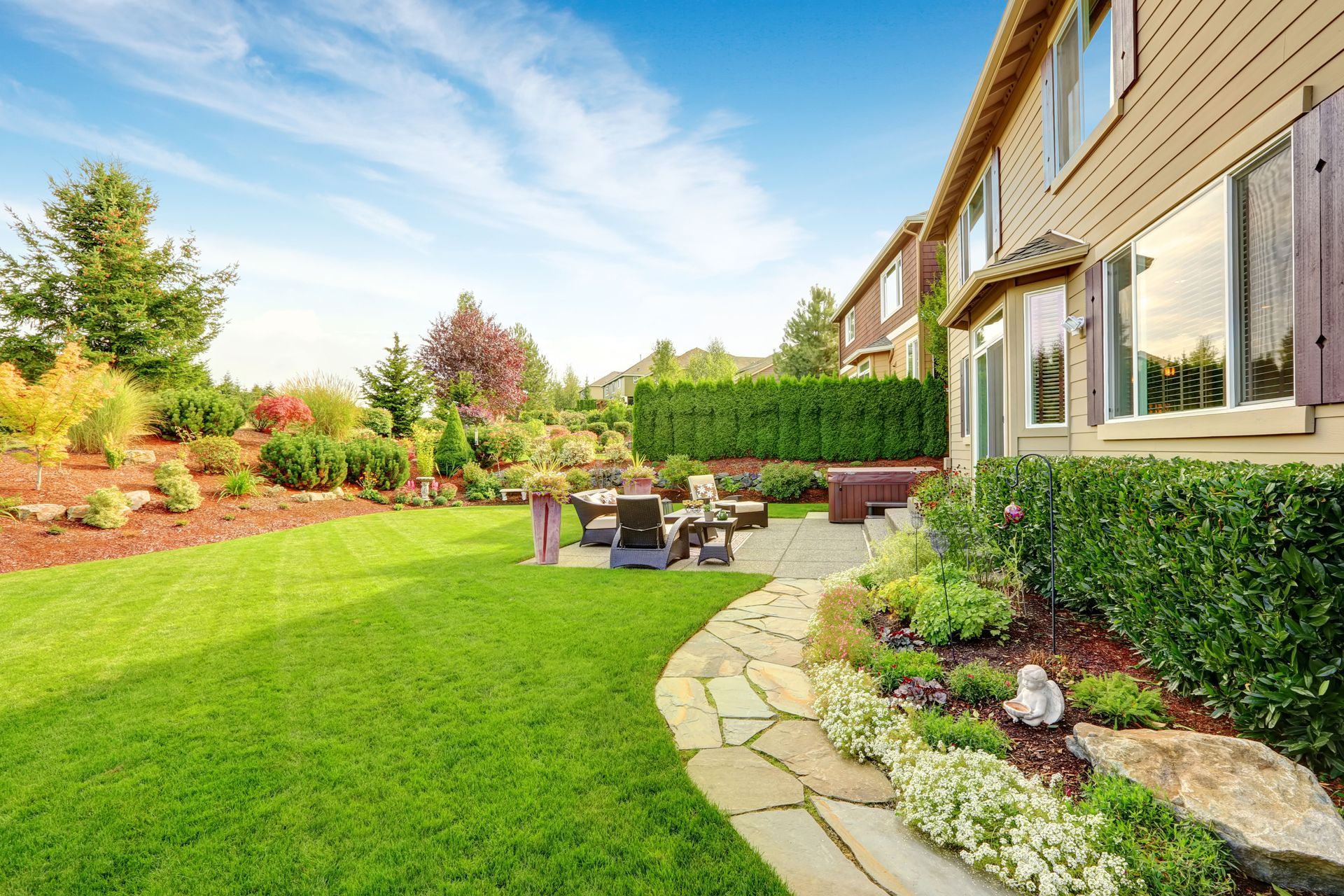
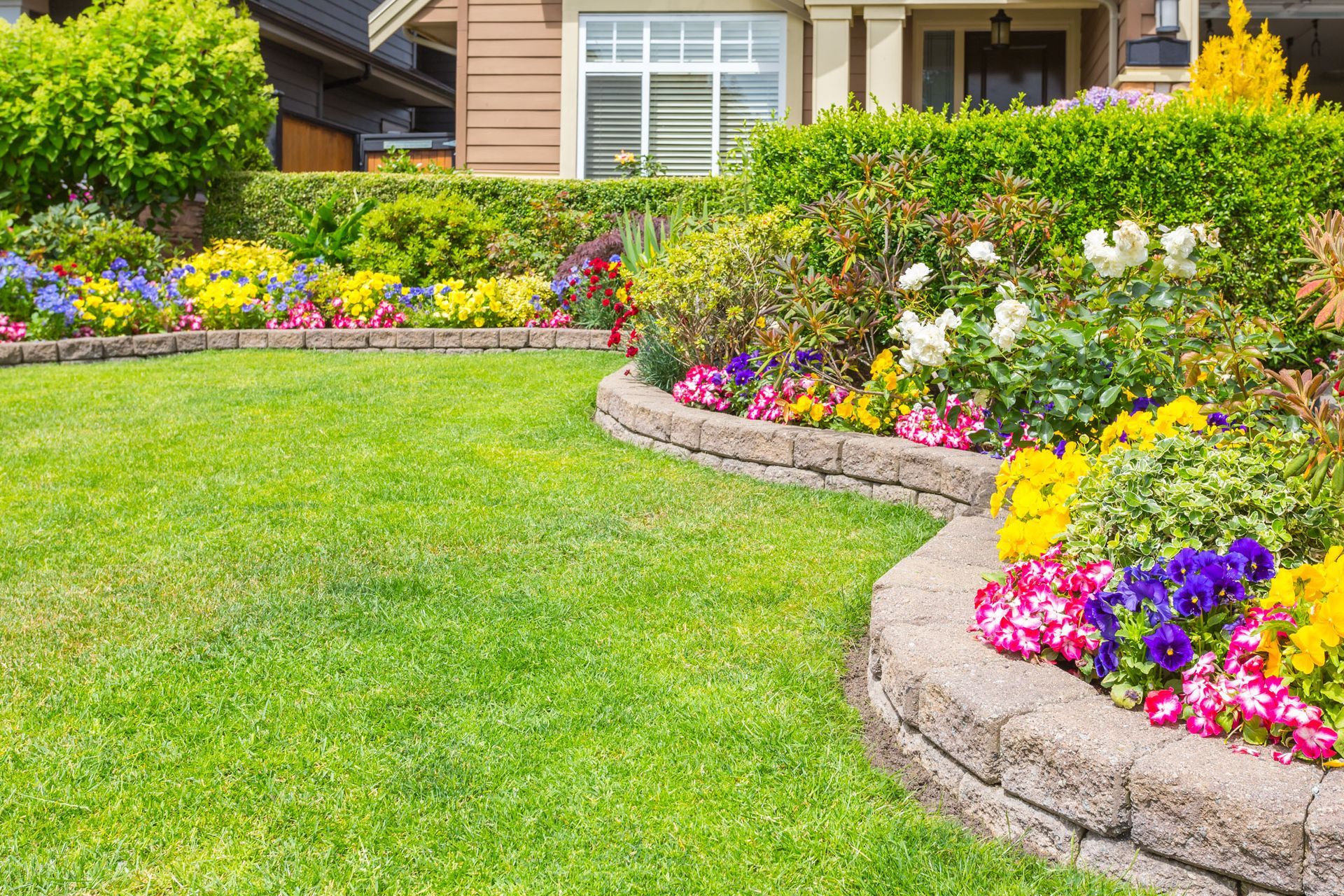
Learn how to transform worn-out gardens into vibrant oases through expert tips from a landscape designer. Read on to learn more!
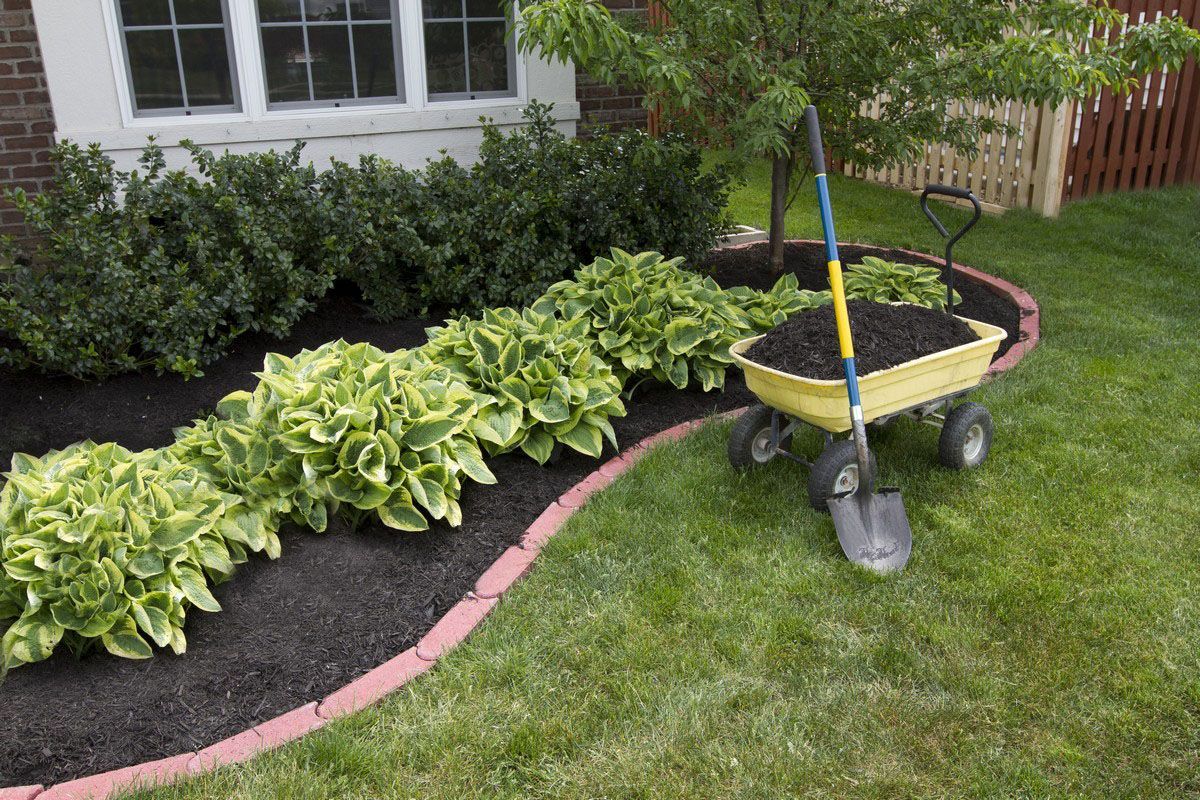
A beautiful landscape requires more than attractive plants and maintained lawns. The materials surrounding your trees, shrubs, and garden beds also help maintain healthy outdoor spaces. One effective way to improve your property's appearance while protecting its plants is through professional mulching. At Createscape Landscaping Service, Inc, we understand the importance of proper landscape maintenance. Choosing the right mulch can improve moisture retention, support soil health, and create a polished appearance throughout your outdoor spaces. Understanding available materials and their benefits helps property owners make informed decisions when working with professional landscaping services. Understanding the Benefits of Professional Mulching Professional mulching offers several advantages beyond improving flower beds. The right materials create healthier growing conditions while protecting valuable landscaping investments. Improving Soil Moisture Retention Maintaining consistent soil moisture is essential for healthy plant development. Without adequate protection, exposed soil loses water through evaporation, particularly during summer. A professionally installed protective layer reduces moisture loss, allowing plants to access water more consistently. This benefit is especially valuable for properties with extensive garden beds, ornamental shrubs, and established trees. Our landscaping professionals evaluate soil conditions and plant requirements to recommend materials that support appropriate moisture levels. Proper installation also helps prevent excessive moisture accumulation that could affect sensitive root systems. Regulating Soil Temperature Temperature fluctuations can stress landscaping plants. During summer, exposed soil absorbs heat, potentially affecting root development and plant health. Protective ground coverings moderate soil temperatures, creating more stable growing conditions throughout the year. During colder months, these materials provide insulation that helps protect roots from sudden temperature changes. Our team considers seasonal conditions and plant varieties when recommending landscaping materials. This approach supports healthier outdoor environments while reducing stress on established vegetation. Reducing Unwanted Weed Growth Weeds compete with desirable plants for moisture, nutrients, and growing space. When left unmanaged, they can diminish the appearance of professionally designed landscapes. Properly installed mulch limits sunlight exposure at the soil surface, reducing opportunities for many weed seeds to germinate. Although no landscaping material completely eliminates weeds, professional application can improve weed management. Combined with routine maintenance, this approach preserves attractive planting beds and reduces corrective landscaping work. Exploring Popular Organic Landscaping Materials Organic ground coverings provide attractive finishes while gradually contributing organic matter to the soil. Different materials offer distinct benefits depending on the landscape's design and maintenance requirements. Choosing Wood Chips and Bark Wood chips and bark are among the most recognizable materials used in residential and commercial landscaping. Their natural appearance complements ornamental plants, mature trees, and decorative garden beds. According to Lawn Love, wood chips and bark mulch last two to three years before needing replacement. Actual longevity varies depending on weather conditions, material quality, and landscape maintenance. These materials appeal to property owners seeking dependable coverage and a traditional landscape appearance. At Createscape Landscaping Service, Inc, we help customers evaluate wood-based options according to their property's design, plant requirements, and maintenance expectations. Considering Pine Straw and Needles Pine straw mulch provides a distinctive natural appearance that works well around shrubs, trees, and ornamental planting areas. Its lightweight, interlocking structure helps maintain coverage on gently sloped surfaces. Pine straw also allows water to penetrate the soil while providing insulation around plant roots. The reddish-brown coloring creates visual contrast against green foliage and complements traditional landscape designs. Our landscaping professionals determine whether pine straw is appropriate based on drainage conditions, desired appearance, and maintenance considerations. Evaluating Compost and Organic Matter Compost-based ground coverings benefit landscapes where improving soil structure is a priority. As properly processed organic matter decomposes, it contributes valuable material that supports soil structure and beneficial biological activity. However, compost differs from decorative wood coverings in appearance, texture, and maintenance requirements. It may require more frequent replenishment because of its relatively rapid decomposition. Our team considers these characteristics when developing landscaping recommendations that balance visual appeal with plant health. Comparing Inorganic Landscaping Alternatives Some properties benefit from durable, nonorganic ground coverings. These materials generally decompose more slowly than organic alternatives, making them attractive for particular landscape applications. Selecting Decorative Gravel and Stone Decorative gravel and stone provide lasting visual interest in pathways, borders, and selected planting areas. Available in different sizes, textures, and colors, stone materials complement modern architecture and create attractive contrasts with surrounding vegetation. Unlike organic coverings, gravel does not contribute nutrients or organic matter to the soil. Stone can also retain considerable heat, making material selection important around temperature-sensitive plants. Our professionals assess drainage, plant placement, and design objectives before recommending decorative stone installations. Assessing Rubber Landscaping Materials Rubber-based ground coverings are sometimes used in playgrounds, recreational spaces, and specialized landscape installations. Their durability and consistent appearance may appeal to property owners seeking materials that do not decompose like traditional organic products. However, rubber materials have limitations, including potential heat retention and environmental considerations. They also lack the soil-building benefits associated with decomposing organic materials. Professional evaluation helps determine whether these products are suitable for a particular application. Reviewing Landscape Fabric Applications Landscape fabric is commonly installed beneath decorative stone surfaces to help separate materials and limit weed development. Although fabric provides benefits in selected applications, it is not appropriate for every planting bed. Over time, accumulated debris may support weed growth above the fabric, while certain installations complicate future maintenance. Our landscaping professionals consider long-term performance and plant requirements before incorporating landscape fabric into an outdoor design. Recognizing the Importance of Professional Installation Even high-quality landscaping materials perform poorly when installed incorrectly. Proper preparation, appropriate coverage, and ongoing maintenance are essential for successful results. Preventing Excessive Material Buildup Applying too much material around plants can interfere with air and water movement through the soil. Excessive buildup near tree trunks may trap moisture against bark, increasing the risk of deterioration and plant health problems. Professional installers account for plant placement, root development, and ground conditions when determining suitable mulch coverage. At Createscape Landscaping Service, Inc, we emphasize careful installation practices that support plant health and attractive landscaping results. Planning Seasonal Maintenance Landscape conditions change throughout the year. Heavy rainfall, strong winds, temperature fluctuations, and natural decomposition affect the appearance and performance of protective ground coverings. Periodic inspections identify thinning areas, displaced materials, and developing maintenance concerns. Professional mulch maintenance restores consistent coverage while preserving the visual appeal of landscaped areas. Our team helps property owners understand appropriate maintenance schedules based on material selection, property conditions, and seasonal demands. Maintaining Consistent Landscape Appearance Uniform landscaping contributes significantly to a property's presentation. Uneven coverage, faded materials, and poorly defined planting beds can make otherwise healthy landscapes appear neglected. Professional landscaping services create consistent finishes that complement surrounding plants, walkways, and architectural features. For commercial properties, attractive grounds support a welcoming environment for customers, employees, and visitors. Residential property owners benefit from outdoor spaces that appear organized, inviting, and professionally maintained. Choosing Professional Landscaping Services Selecting appropriate landscaping materials requires consideration of plant health, maintenance expectations, drainage, and property design. Evaluating Your Property's Needs Every landscape has unique characteristics that influence material selection. Sun exposure, soil composition, existing vegetation, and drainage patterns affect how different ground coverings perform. A professional assessment identifies materials that complement these conditions rather than creating unnecessary maintenance challenges. Our team focuses on practical recommendations that support lasting landscape improvements. Protecting Your Landscaping Investment Established trees, ornamental plants, and professionally designed garden beds represent valuable property investments. Appropriate mulch coverings protect these features while contributing to a cohesive outdoor appearance. Professional maintenance also provides opportunities to identify developing concerns before they affect larger portions of the landscape. Working With Createscape Landscaping Service, Inc At Createscape Landscaping Service, Inc, we believe attractive landscapes begin with thoughtful planning and dependable professional care. Whether your property needs refreshed planting beds, improved ground cover, or ongoing landscape maintenance, our team can help you explore suitable solutions. Contact Createscape Landscaping Service, Inc to discuss your landscaping needs and learn how professional mulching services can help maintain a healthier, more attractive outdoor environment.
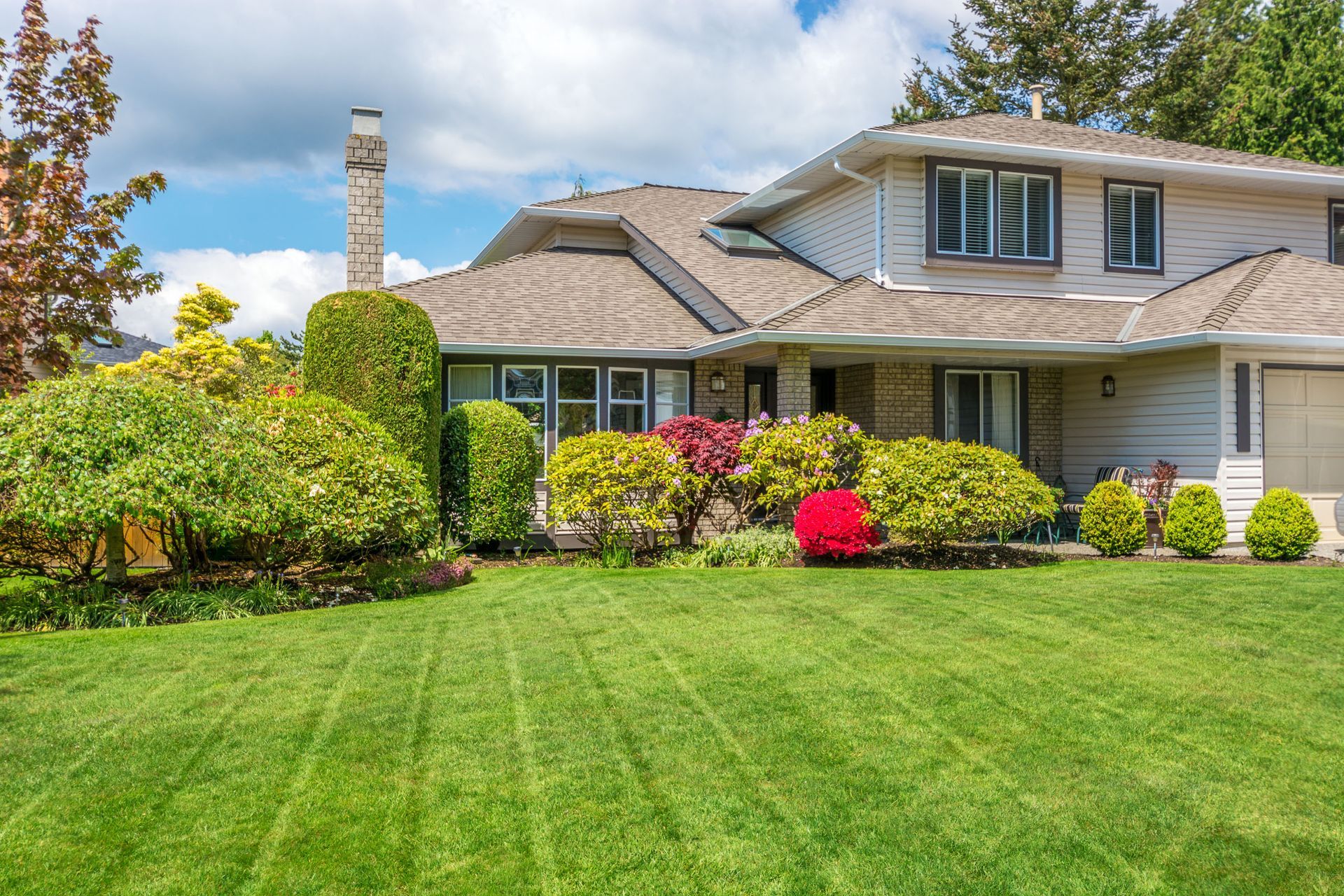
Transform your yard into an outdoor oasis. Discover how a professional landscaping company guides you from initial design concepts to complete construction.